
What to Expect During a Professional Masonry Installation
People seeking what to expect during a professional masonry installation can rely on local contractors to handle the work efficiently and ensure a durable, high-quality result.
Understanding what to expect during a professional masonry installation can help property owners feel more confident and prepared for their upcoming project. Whether planning to enhance a driveway, build a retaining wall, or add decorative features, knowing the typical process and what’s involved can make the experience smoother. Local contractors who specialize in masonry services are equipped to handle these projects efficiently, ensuring that the work is completed to high standards and that the results meet expectations. Keeping informed about the installation process can also help property owners make better decisions about design choices and timing.
For those considering masonry work, it’s practical to understand the key steps involved, from initial site preparation to the finishing touches. This knowledge can clarify what is reasonable to expect and highlight the importance of working with experienced service providers. Local masonry contractors bring the skills necessary to manage these details, providing a seamless experience from start to finish. Exploring this topic further can reveal valuable insights into how professional installation can enhance the durability and appearance of a property’s features.
- Brick and Block Walls - homeowners may need these installed for privacy or boundary marking, and local contractors prepare the foundation and lay bricks or blocks with precision.
- Fireplaces and Chimneys - when updating or building a new fireplace, service providers handle the detailed masonry work to ensure safety and durability.
- Patios and Outdoor Living Spaces - for enhancing outdoor areas, local pros design and construct masonry patios that add aesthetic appeal and functionality.
- Retaining Walls - properties requiring soil management or landscape support often involve pros building sturdy retaining walls with proper drainage considerations.
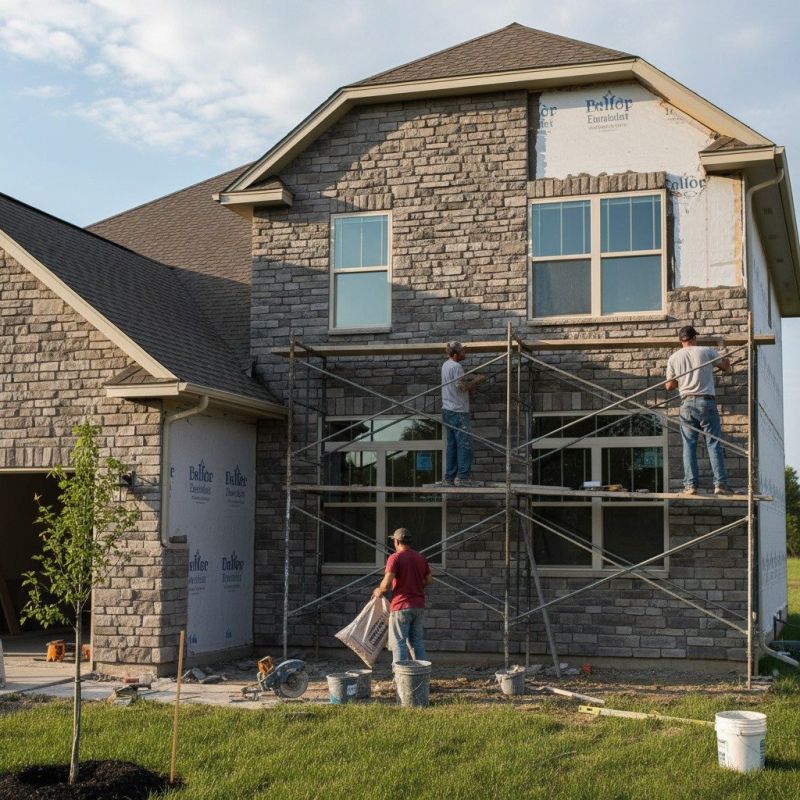
- Stone Facades and Exterior Cladding - for improving curb appeal, service providers install stone veneers or cladding that withstand weather and enhance building aesthetics.

When searching for information about what to expect during a professional masonry installation, homeowners are often looking for a clear understanding of how the process unfolds and what steps are involved. This includes knowing how the work will be planned, what materials might be used, and how long the project might take. People typically want to ensure that the work will be performed properly and that the finished result will meet their expectations for durability and appearance. Understanding the general flow of a masonry installation helps homeowners feel more prepared and confident in choosing local contractors who specialize in these services.
Masonry installations are commonly associated with projects such as building or repairing retaining walls, fireplaces, patios, or decorative features around the home. These projects often involve planning for structural stability, aesthetic appeal, and long-term performance. Homeowners may be addressing issues like foundation support, erosion control, or simply enhancing curb appeal. The scope of these projects can vary widely, from small repairs to large-scale installations, but all require careful preparation, proper material selection, and skilled craftsmanship. Local masonry service providers are experienced in handling these types of plans and can advise on the best approaches for each property.
The types of properties that typically come up in discussions about masonry installation include single-family homes, multi-family complexes, and commercial properties. Residential properties often feature features like brick or stone facades, outdoor fireplaces, or garden walls. Commercial sites might require more extensive structural work, such as retaining walls for landscaping or foundational work for building extensions. Regardless of property type, the goal is to ensure that the masonry work is integrated seamlessly into the existing structure or landscape. Local contractors are familiar with the specific requirements and building codes relevant to different property types, which helps ensure the project proceeds smoothly and results in a durable, visually appealing feature.
Understanding what to expect during a professional masonry installation helps homeowners anticipate the various stages of the project, from initial consultation and planning to final touches. It also clarifies the importance of working with experienced local service providers who can deliver quality craftsmanship and reliable results. These professionals bring the necessary skills to handle different property styles and project complexities, ensuring that each installation is built to last. By knowing what the process involves, homeowners can make informed decisions, ask relevant questions, and feel more confident about the outcomes of their masonry projects.
Fireplace and Chimney Construction - Building fireplaces and chimneys requires similar masonry skills, planning, and the use of specialized tools to ensure safety and durability.
Retaining Wall Projects - Installing retaining walls involves precise planning and masonry techniques to create stable structures that support soil and prevent erosion.
Paver and Patio Installations - Laying pavers and patios shares foundational work and surface preparation skills with masonry installations, ensuring a level and long-lasting surface.
Stone Veneer Cladding - Applying stone veneer to walls involves careful placement and mortar work, similar to the processes used during masonry installations.
Outdoor Fireplace and Firepit Builds - Constructing outdoor fireplaces and firepits requires masonry knowledge of heat-resistant materials and structural integrity.
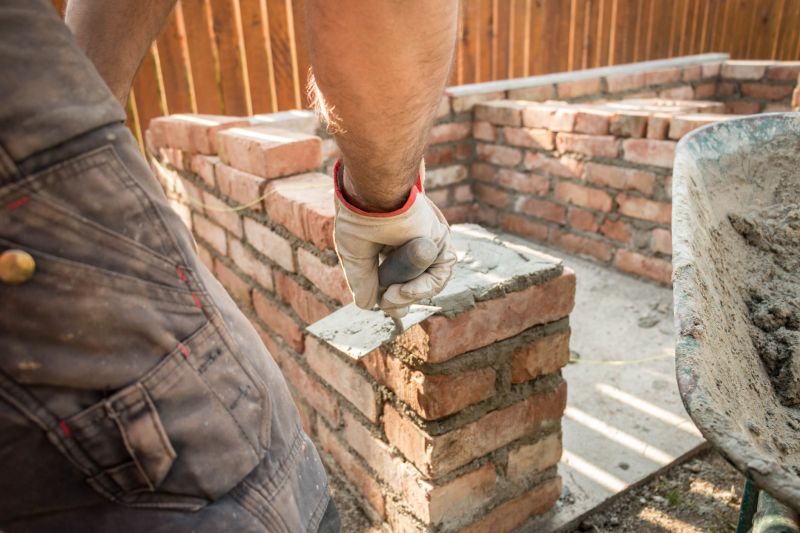
Brickwork and Wall Construction - Building brick walls involves similar techniques, planning, and craftsmanship as those used in professional masonry installation projects.
When evaluating masonry installation services, it is important to consider the experience of local contractors with similar projects. Homeowners should inquire about the types of masonry work the service providers have completed in the past, ensuring they have a history of handling projects comparable in scope and complexity. A contractor’s familiarity with specific materials, styles, and techniques can significantly influence the quality and durability of the installation, providing peace of mind that the work will meet expectations.
Clear, written expectations are essential when comparing local pros for masonry projects. Homeowners should seek detailed proposals that outline the scope of work, materials to be used, and the responsibilities of each party. Having this information in writing helps prevent misunderstandings and ensures that everyone is aligned on the project’s goals. It also provides a reference point for evaluating the professionalism of the service provider, as clear communication and transparency are key indicators of a reputable contractor.
Reputable references and good communication are vital factors in choosing the right local contractor for masonry installation. Homeowners can ask for references from previous clients to gain insight into the contractor’s reliability, workmanship, and ability to meet deadlines. Additionally, responsive and clear communication throughout the process demonstrates a contractor’s commitment to customer service and their willingness to address questions or concerns. Selecting a service provider who values transparency and open dialogue can lead to a smoother installation experience and a final result that aligns with the homeowner’s expectations.
Property owners often search for what to expect during a professional masonry installation when they are planning practical projects around their homes and businesses. Local pros provide Masonry Installation services for everyday jobs and straightforward project options.
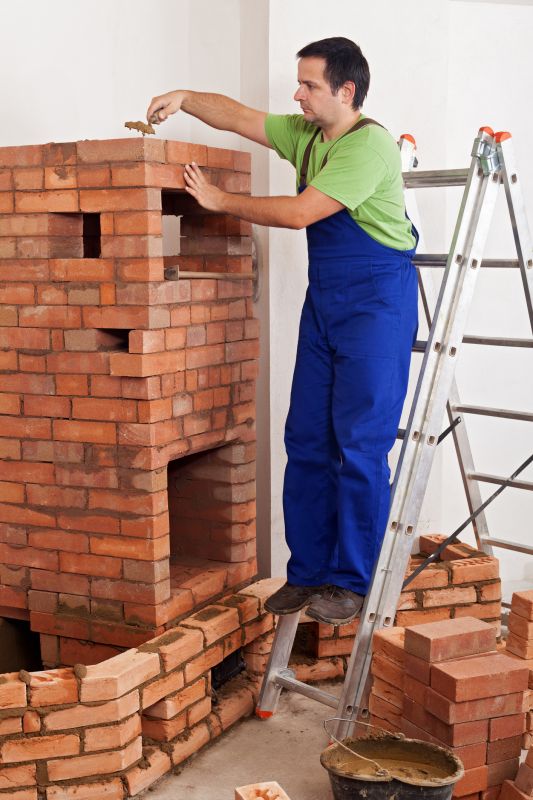
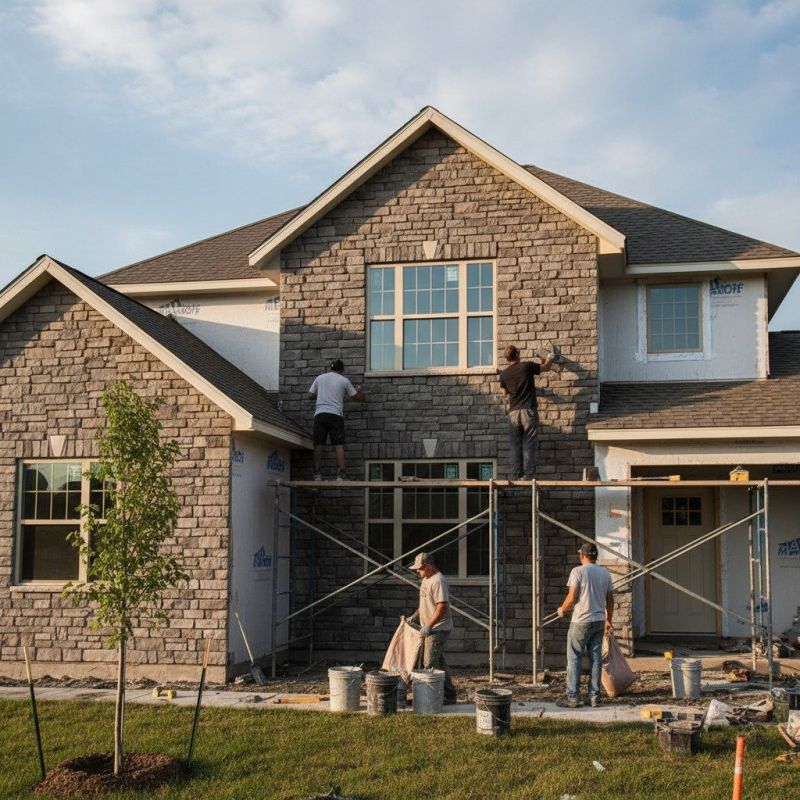
During a professional masonry installation, property owners can generally expect a straightforward process that involves preparation, precise craftsmanship, and attention to detail. Local contractors typically begin by preparing the work area, which may include clearing space and ensuring a stable foundation. Throughout the project, homeowners might notice the careful selection and handling of materials, along with the consistent use of tools to achieve a clean, durable finish. This process helps ensure that features like walls, walkways, or fireplaces are built to last and meet the property’s aesthetic and functional needs.
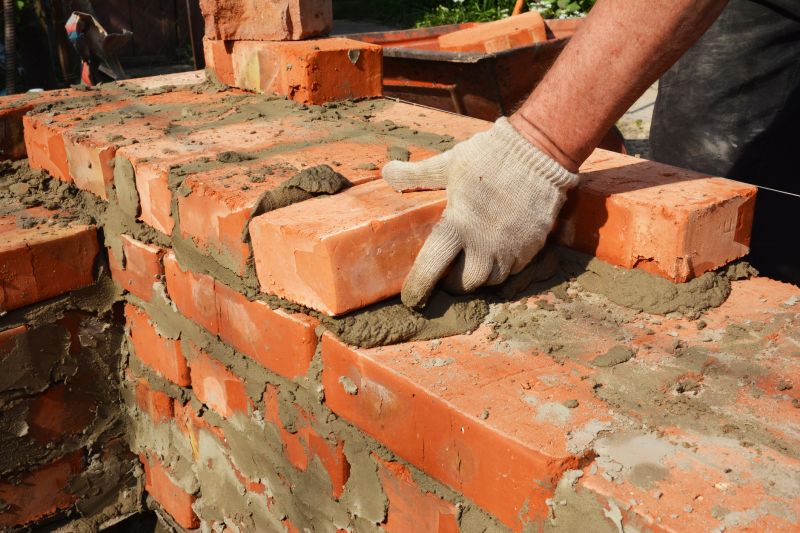
Many property owners seek out masonry installation services to enhance their property's appearance and value, especially when planning to add or repair features such as patios, retaining walls, or chimneys. During the installation, local service providers focus on delivering quality results by following best practices, which often includes mixing mortar properly, aligning bricks or stones accurately, and cleaning up the site afterward. Understanding what to expect during a professional masonry installation can help property owners feel more confident about the process and appreciate the expertise that local contractors bring to the project.
What should I expect during a professional masonry installation? During a masonry installation, local contractors typically prepare the site, lay out the design, and carefully place bricks, stones, or blocks to ensure proper alignment and stability. They may also perform mortar application and finishing touches to achieve a durable, attractive result.
Will there be any disruption or mess during the process? Some disruption and debris are common during masonry work, but experienced service providers aim to keep the work area clean and minimize inconvenience. They handle cleanup as part of their process to ensure a tidy job site.
How do professionals ensure the masonry work is properly aligned and level? Local pros use tools such as levels, string lines, and templates throughout the installation to maintain accurate alignment and levelness, ensuring the finished structure is both functional and visually appealing.
What steps are taken to ensure the durability of the masonry installation? Contractors select appropriate materials, apply proper mortar mixes, and follow best practices during installation to promote longevity and resistance to weather and structural stress.
What can I expect in terms of the overall process and craftsmanship? You can anticipate a detailed and precise process where skilled professionals focus on quality craftsmanship, paying attention to detail from foundation preparation to finishing, resulting in a sturdy and attractive masonry feature.
Site preparation - Property owners can expect local contractors to clear the area and ensure a stable foundation before starting the masonry work, helping to prevent future issues.
Material selection - Choosing the right type of bricks, stones, or mortar with the help of local pros ensures the project matches the property's style and withstands local conditions.
Installation process - During a professional masonry installation, property owners can observe precise layering and placement techniques that contribute to the durability of the structure.
Final finishing - Local service providers will typically complete finishing touches such as cleaning and sealing, enhancing the appearance and longevity of the masonry work.
If you are thinking about what to expect during a professional masonry installation for a property, this guide is meant to help you understand this topic, the typical project types, and how different options might fit your plans.
When you are ready, you can use the quote form on this page to share a few details about your project. From there, local pros can review the basics and follow up with options that match what you have in mind.